
Cost is one of the first considerations in any print decision. Lithographic print is sometimes dismissed as the more expensive option, particularly when compared to digital printing for small quantities. This perception, while understandable, is incomplete.
Lithographic printing is not designed to compete on short-run convenience. It is designed for efficiency, consistency and scalability. When used appropriately, it often becomes the most financially sensible choice over the lifespan of a print project.
This article explains when lithographic printing makes financial sense, how to evaluate true print costs, and why focusing only on upfront pricing can lead to poor long-term outcomes.
Understanding Cost Beyond the Quote
Upfront cost vs total cost
A print quote reflects only part of the financial picture. True cost includes:
- Cost per unit at scale
- Waste and reprints
- Consistency across batches
- Longevity of printed material
- Time spent managing issues
Lithographic printing may involve higher initial setup costs, but these are spread across the full print run, often resulting in a lower cost per unit as volume increases.
The danger of short-term thinking
Choosing a printing method based solely on the lowest initial quote can lead to:
- Inconsistent colour across batches
- Increased reprints
- Shorter lifespan of materials
- Additional design or correction costs
Financial sense is measured over time, not at checkout.
Volume Is the Turning Point
When quantity changes everything
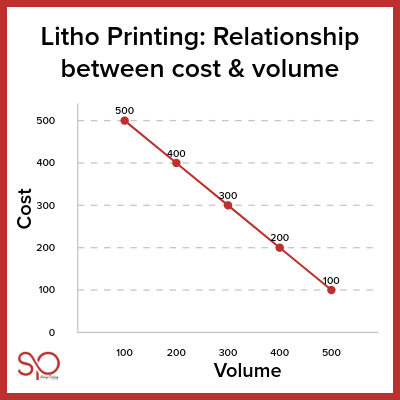
Lithographic printing becomes financially efficient once volume reaches a certain threshold. While the exact number varies by project, the principle remains the same.
As quantity increases:
- Setup costs are diluted
- Unit costs decrease significantly
- Consistency improves across all items
For marketing campaigns, retail rollouts or ongoing corporate materials, litho printing often delivers better value at scale.
Predictable pricing for repeat jobs
Once a lithographic job is established, repeat runs benefit from predictable costs and consistent output. This stability is valuable for budgeting and long-term planning.
Consistency Reduces Hidden Costs
The cost of inconsistency
Inconsistent print results lead to hidden expenses. These include:
- Rejected stock
- Additional quality checks
- Reprints to correct colour or finish
- Brand damage from inconsistent presentation
Lithographic printing is designed to deliver repeatable, controlled results, reducing these risks.
Brand consistency as a financial asset
Consistent branding is not just a marketing concern. It has financial implications. Strong, consistent presentation builds trust, reduces confusion and supports long-term brand equity.
Litho printing supports this by maintaining colour accuracy and quality across large and repeat print runs.
Durability and Lifespan Matter
Print that lasts costs less over time
Printed materials that wear quickly require frequent replacement. This increases costs over time, even if the initial unit cost is low.
Lithographic printing, combined with appropriate paper and finishing, produces materials that withstand handling, transport and display.
Examples include:
- Retail point-of-sale material
- Packaging
- Corporate folders and brochures
- High-traffic posters
Longer lifespan means fewer reprints and better return on investment.
Efficiency in Complex Projects
Multiple components and finishes
Projects involving multiple components, special finishes or strict tolerances benefit from lithographic printing.
Litho presses handle:
- Consistent colour across multiple items
- Large formats with precision
- Finishing processes with fewer limitations
Managing complex jobs through litho reduces production issues and inefficiencies.
Fewer compromises
Digital printing often requires compromises on paper, finish or format. These compromises can undermine the effectiveness of the final product.
Lithographic printing allows the project to be designed for performance rather than limitation.
When Litho Printing Is the Right Financial Choice
Lithographic printing typically makes financial sense when:
- Quantities are medium to large
- Brand colour accuracy is critical
- Consistency across multiple locations is required
- Printed material must be durable
- Projects are repeated regularly
In these scenarios, litho printing delivers lower long-term costs and higher overall value.
When Litho Printing May Not Be Appropriate
Litho printing is not always the best option. It may not be suitable when:
- Quantities are very low
- Content changes frequently
- Personalisation is required
- Turnaround time is extremely tight
Understanding limitations is just as important as understanding strengths.
The Value of Informed Guidance
Financially sound print decisions require technical understanding. Experienced printers help clients evaluate not just what is possible, but what makes sense.
By aligning print method, volume and purpose, businesses avoid unnecessary costs and achieve better outcomes.
Print is most cost-effective when it is planned strategically.
Final Thoughts
Lithographic printing is not about spending more. It is about spending wisely.
When used in the right context, litho printing reduces unit costs, improves consistency and delivers stronger long-term value. The key is understanding when scale, durability and consistency outweigh short-term convenience.
Financial sense in printing is not about the cheapest option. It is about the smartest one.
Leave a Reply